 Introduction
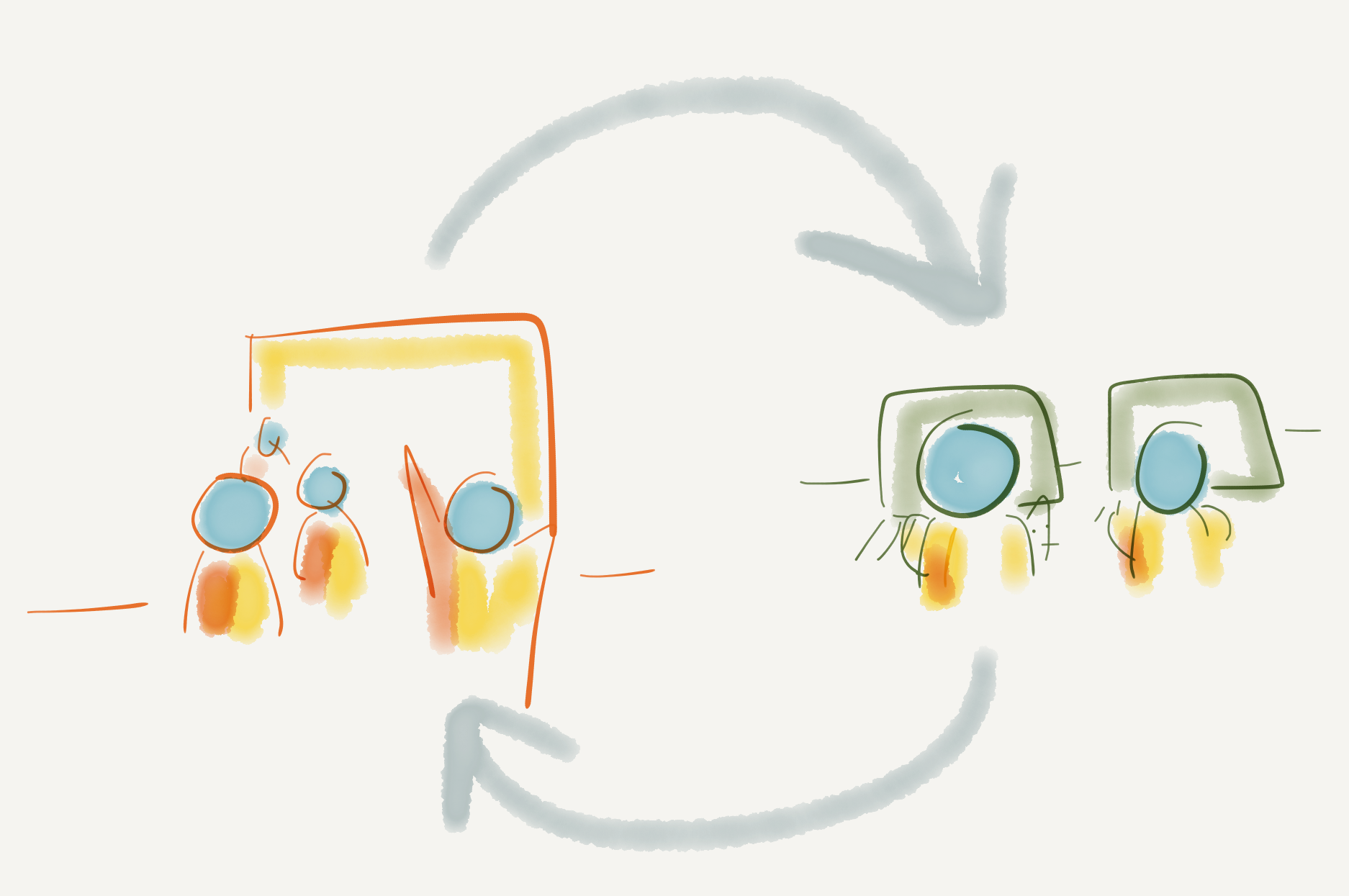
This is the first in a short blog series based on conversations with a colleague who is “learning while doing” as he is building an eLearning offering. Disclaimer: I’m an adviser to the project and my condition of participation was the ability to do this series of blog posts, because there is really useful knowledge to share, both within the colleague’s organization and more widely. So I said I’d add the blog reflections – without pay – if I could share them. So here we go! Over time it will probably include some additional comments from other members of the team working on this project. (Edit: Part 2 and Part 3.)
The reason I wanted to share this story is time after time I hear people state “Hey, let’s just convert our face-to-face (F2F) training into elearning” without a real sense of what that process might entail. What really happens when you decide to convert your face to face training to an elearning offering? What types of offerings lend themselves to conversion? What would that conversion look like? What should you consider? I’ve done piles of research for clients in the past (and I’m working on getting permission to share some of it.) But nothing in the research is surprising. What is surprising is that it is not considered before diving in!
There are many paths to answering the questions about converting F2F learning to online or blended learning. The most important starting point is to ask some important initial questions, explore the options, and learn from others. Then, if you still want to proceed, you can hire a firm to fully convert materials, do it yourself or work with a few others.
Regardless, the “conversion” process asks us some fundamental questions about learning: what and why we want to learn and what the impact of that learning might be. Looking at our assumptions around these fundamental questions can inform any initiative to “convert” something to elearning.
Meet Emilio
Emilio is a technical officer at a large international development organization. He is an expert in his domain with years of knowledge and experience. Over time he has been asked to share his expertise and has developed a set of materials and practices to offer face to face (F2F) workshops around his area of expertise. He is passionate about his topic and his depth of experience brings richness to every conversation he has with people who want to learn more. Now he has been asked to reach more people by teaching online. That “elearning” thing.
The first decision Emilio faced was to understand what elearning really means. What are the options? What does it take to convert his offline materials into online opportunities? In our first learning conversation, Emilio shared his discovery that there is a large range of types of elearning courses and that they are difficult to categorize. He started out thinking that this is simply presenting his F2F lectures in a real time online space, augmented with the materials he had developed. But he discovered there was more to it than that.
Matching the Material With eLearning Options
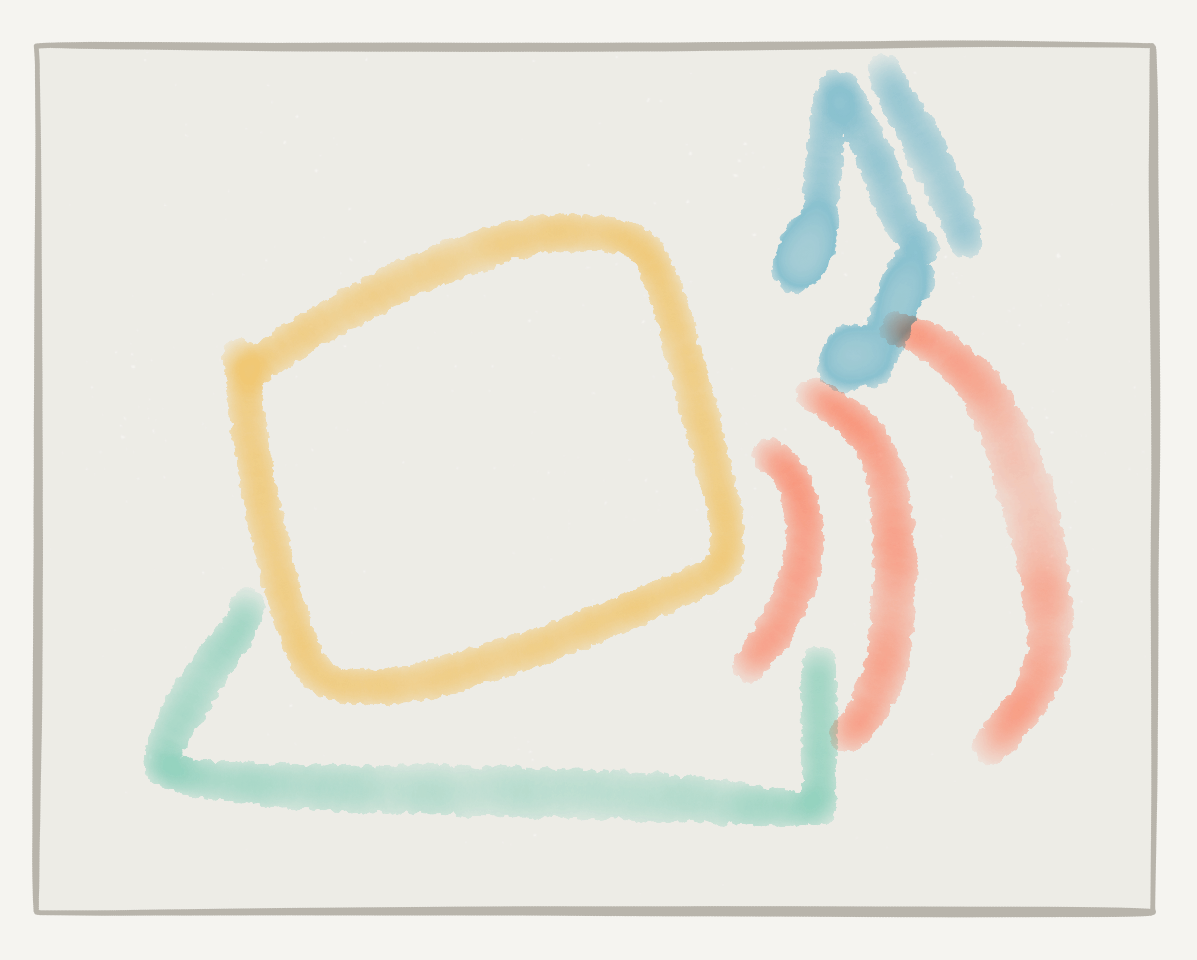 An early insight was that what you choose to do depends on your target audience and what they want or need to learn. (Or what YOU want them to learn!)
From conversations with other colleagues at work, Emilio learned some forms of elearning that have been produced in his organization. For example packages were created to introduce ideas, concepts and general information to government officials. Emilio now sees these can be less interactive, self-paced, and can potentially reach hundreds in unfacilitated courses. His colleagues have handed material over to consultants who have converted them into self paced offerings – quickly and efficiently. This form fits with a goal of information dissemination. The value added to the learner, as compared to doing an internet search or picking up a book, is that the material is chunked and sequenced into digestible chunks and because of the reputation of the agency, people have confidence in what they are learning.
Emilio’s existing training courses focus on a variety of complex policy issues and practices. The material is more about converting concepts into practice, which is far more challenging than introducing ideas. Learners need to wrestle with the material, practice its application, consider their contextual differences and get the kind of feedback experts like Emilio have in their heads – the kinds of stuff that is rarely included in the slide deck or readings. Subtle. Contextual. Experienced. This is more challenging than converting basic or introductory materials into elearning.
As the volume of complexity of the material grows, there are other issues to consider. How do you keep the learner’s attention? How do you know if they are falling off course and what do you do? What and how do you customize for different contexts?
An early implication of these differences was that Emilio’s colleagues and bosses may have been thinking that he was doing the same thing as the people making introductory courses. The might expect it would take the same amount of time and resources to implement. Like him, his colleagues were not familiar with the range of elearning options. Add to that the fact that a strong organizational driver towards elearning is the idea of efficiency and reach, you can fall into a trap assuming that elearning is just about low-cost content distribution to many people, and that it is always easy or effective to implement.
Sometimes we can and do reach thousands with introductory material. But how do we really build capacity for more complex topics at a distance? What does “cost per student” really mean for deeper learning?
Emilio discovered that the reality is quite different than he thought. There is a mountain of jargon. Even thinking about the course learning objectives in a more complex offering is much more challenging (and we’ll talk about this with Emilio in a later blog post). All his tacit information that is easily available when he is present in a F2F training needs to be identified and reconsidered. What needs to be made explicit? What can come out through the facilitation of a course, with direct online interaction with learners? What has to be packaged into knowledge products? What is REALLY important amongst the vast possibilities of the content?
The adventure has begun. Stay tuned for the next part!